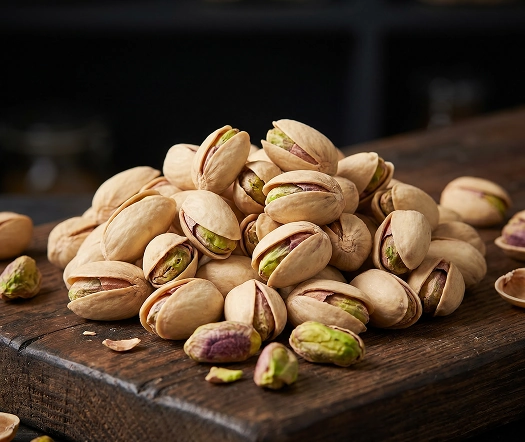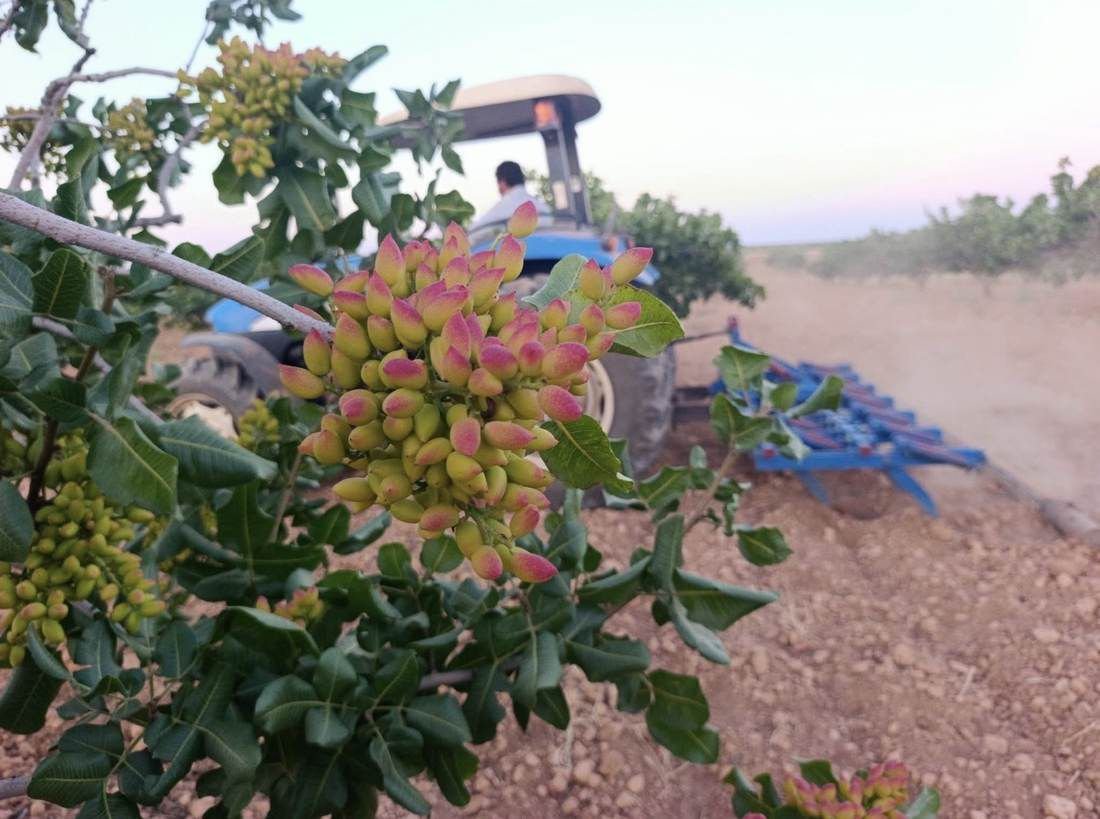
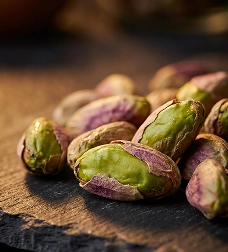
For manufacturers, confectioners, and distributors, pistachio kernels are one of the most versatile forms of pistachio to buy — and one of the easiest to get wrong without a clear specification. A kernel is simply the shelled nut, but the grade, size, color, and cleanliness behind that word vary widely, and each affects both price and the finished product. Buying “kernels” without defining what you mean is how shipments end up inconsistent.
This guide explains pistachio kernels from a buyer’s perspective, as a direct grower and exporter: the grades, sizing and color, the quality parameters that matter, applications, and how bulk kernels should be packed and stored. For background on each origin we supply, see our pages on Syrian Halabi pistachios and American pistachios.
What Are Pistachio Kernels?
Pistachio kernels are the shelled nut — the edible green seed after the hard outer shell is removed. They are supplied whole, as splits, or broken, and are the preferred form for manufacturing, confectionery, and decoration because they are ready to use without shelling. Their value depends on the grade, size, color, and cleanliness of the kernel, not just the origin.
Because the shell is already removed, kernels give buyers direct control over what goes into a product — but they also expose more surface to air, so freshness and packaging matter more than with in-shell pistachios. A kernel’s quality is visible immediately, which is exactly why a written specification protects both sides of a deal.
Grades: Whole, Splits, and Broken
Pistachio kernels are graded by soundness into whole, splits (halves), and broken pieces. Whole kernels are the highest grade, used for decoration and visible applications; splits are more economical and suit fillings; broken kernels are the lowest priced and used in blends, grinding, and paste. The right grade depends on your use case and budget.
| Grade | Description | Typical use |
|---|---|---|
| Whole kernels | Intact, unbroken | Decoration, visible garnish — highest value |
| Splits (halves) | Naturally or mechanically halved | Fillings, baking |
| Broken pieces | Smaller fragments | Blends, grinding, paste — lowest price |
Many buyers overpay by ordering whole kernels for an application that grinds them anyway. If the kernel will be milled into paste or blended, broken grade delivers the same flavor and color at a lower cost — a simple way to match spend to purpose.
Sizing and Color Grading
Beyond soundness, kernels are graded by size (caliber) and color. Size is measured by count per unit weight, with larger, uniform kernels commanding higher prices. Color is graded by depth of green — a critical factor for confectionery, where a deeper green signals a premium product. Both should be specified explicitly for consistent shipments.
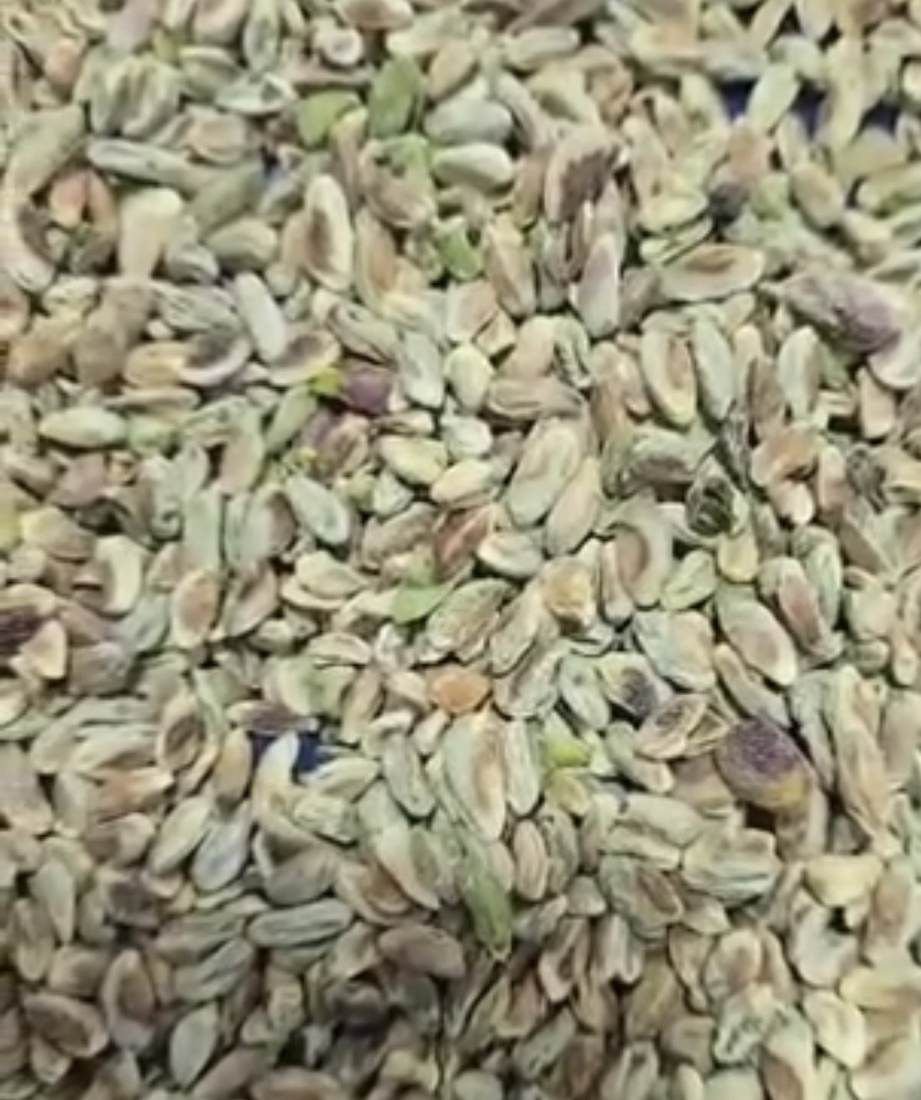
Color and size often trade off against origin: Syrian Halabi kernels tend to be smaller but deeper green, while American kernels are larger and more uniform but lighter. Deciding which matters more for your product — visual color or uniform size — is the first step in writing a useful specification.
Quality Parameters for Buyers
The core quality parameters for pistachio kernels are color, foreign matter, breakage, moisture, and freshness. Natural green color and low foreign matter indicate clean, well-processed kernels; controlled moisture protects shelf life and prevents spoilage; and freshness preserves flavor, since exposed kernels lose quality faster than in-shell nuts. Specify each in writing per shipment.
- Color: natural green appropriate to origin; avoid dyed or dull kernels.
- Foreign matter & defects: low shell fragments, dust, and damaged kernels.
- Breakage: minimal for whole grade; defined tolerance per order.
- Moisture: controlled to protect shelf life and prevent mold.
- Freshness: aromatic, non-rancid; managed on order rather than long storage.
International grading systems give both sides a shared vocabulary for size and defects. The USDA pistachio grades and standards are a useful reference when defining kernel specifications with a supplier.
Applications: Confectionery, Manufacturing, and Snacking
Pistachio kernels serve three main markets: confectionery (baklava, decoration, fillings), manufacturing (paste, cream, ice cream), and snacking (roasted and salted kernels). Whole kernels suit visible and decorative uses, splits suit fillings and baking, and broken kernels suit grinding and blends. Matching grade to application controls both cost and results.
In practice, a single producer often buys more than one grade: whole kernels to decorate, and broken kernels to grind into paste. Specifying the grade per use rather than defaulting to the highest grade everywhere is one of the simplest ways to control ingredient cost without sacrificing quality.
Packaging & Storage for Bulk Kernels
Because shelled kernels expose more surface to air, bulk packaging and storage directly affect their shelf life. Kernels should ship in food-grade, sealed packaging — often vacuum-packed — in sturdy cartons, and be stored cool, dry, and away from light. Refrigeration or freezing extends color and flavor retention for large volumes, and controlled moisture prevents spoilage.
The practical rule for buyers is to order volumes that match a reasonable production cycle rather than holding kernels for long periods, and to confirm how the supplier protects them from heat and humidity in transit. Freshness on delivery is worth more than a slightly lower price on aged stock.
Sourcing Pistachio Kernels From Alyassin Farms
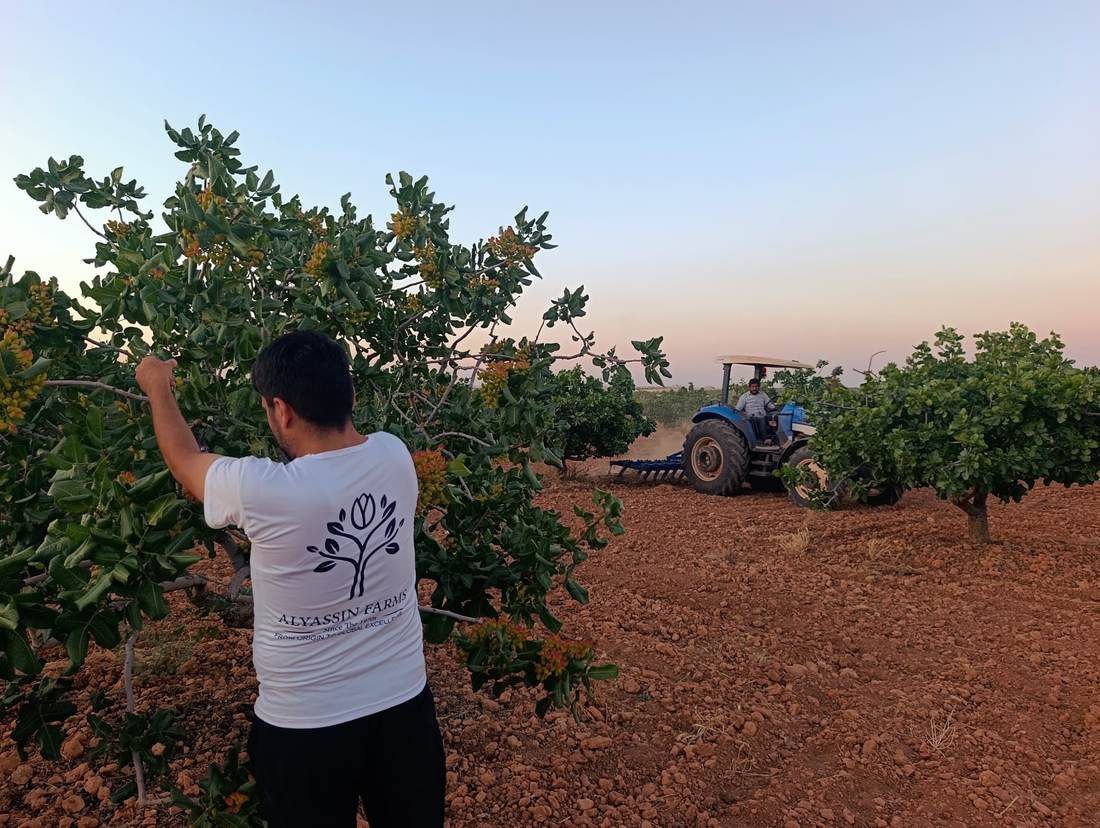
As a direct grower and exporter, we supply pistachio kernels in both Syrian Halabi and American origins, across whole, split, and broken grades, with sizing and color specified to your application. That means one supplier for both origins, documented specifications, and freshness managed on order — with control from the orchard to shipment rather than whatever a reseller happens to have in stock.
If you are sourcing pistachio kernels in bulk and want consistent grade, color, and freshness across shipments, our team can help you match specification to product. Request a quote today, or contact us for a sample to compare against your own specification.
Frequently Asked Questions
What are pistachio kernels?
Pistachio kernels are the shelled nut — the edible green seed left after the hard outer shell is removed. They are sold whole, as splits (halves), or broken, and are the preferred form for manufacturing, confectionery, and decoration because they are ready to use without shelling.
What are the grades of pistachio kernels?
Pistachio kernels are graded by soundness into whole, splits (halves), and broken pieces. Whole kernels are the highest grade for decoration and visible uses, splits suit fillings, and broken kernels are the most economical for blends, grinding, and paste. Kernels are further graded by size and color.
How are pistachio kernels graded for size and color?
Size is graded by count per unit weight, with larger, uniform kernels priced higher. Color is graded by depth of green, which is especially important for confectionery. Both should be specified explicitly in an order so shipments stay consistent from batch to batch.
How should bulk pistachio kernels be stored?
Store bulk kernels cool, dry, and away from light in sealed, food-grade packaging, ideally vacuum-packed. Refrigeration or freezing extends color and flavor retention for large volumes. Because shelled kernels expose more surface to air than in-shell nuts, controlled moisture and freshness on order matter more.
Do you supply pistachio kernels in bulk?
Yes. We supply pistachio kernels in Syrian Halabi and American origins, across whole, split, and broken grades, with sizing and color specified to your application, in bulk with documented specifications and freshness on order. Contact us for a quote or sample.