The Dubai chocolate pistachio bar has become one of the most talked-about products in global confectionery. What began as a single Dubai brand’s creation — a chocolate shell filled with toasted kataifi (kunafa) pastry and pistachio — turned into a worldwide category after viral videos of the bar being snapped open racked up over a billion views. For chocolatiers and dessert manufacturers, this is a rare opening: strong, proven demand for a product whose success depends almost entirely on one ingredient.
This guide looks at the trend from a sourcing perspective: why pistachio quality makes or breaks the product, which forms of pistachio suit it, and how to secure consistent bulk supply for commercial production. To see the raw material forms we supply, view our pistachio products.
What the Dubai Chocolate Pistachio Trend Means for Sourcing
The Dubai chocolate pistachio trend started with Fix Dessert Chocolatier in Dubai in 2021 and went global in 2024 through social media. Its appeal is the contrast of crunchy kataifi, smooth pistachio, and a snapping chocolate shell — plus a vivid green filling that photographs well. For manufacturers, the practical takeaway is that the pistachio, not the chocolate, is what buyers remember.
Supermarkets and chocolatiers worldwide now produce their own versions, which means competition is high and quality is the differentiator. A bar with dull, weak pistachio filling reads as an imitation; one with deep green, aromatic pistachio reads as the real thing. That difference is decided at the sourcing stage, long before production.
Why Pistachio Quality Defines the Product
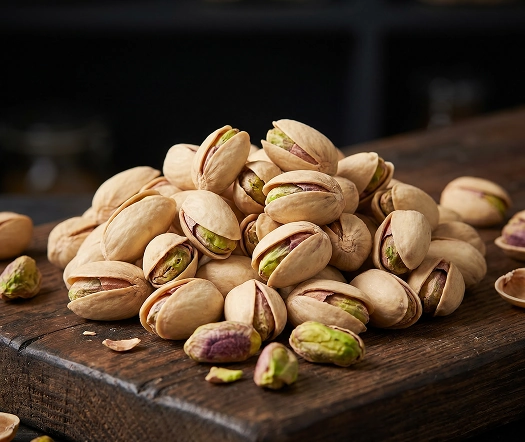
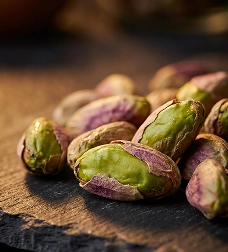
Pistachio is the flavor and the visible color of the filling, so its quality shows directly in the finished bar. The bright green center that customers look for comes from naturally green, high-quality pistachio — not from artificial coloring. Any weakness in the pistachio’s color, flavor, or freshness carries through to the product no matter how good the chocolate is.
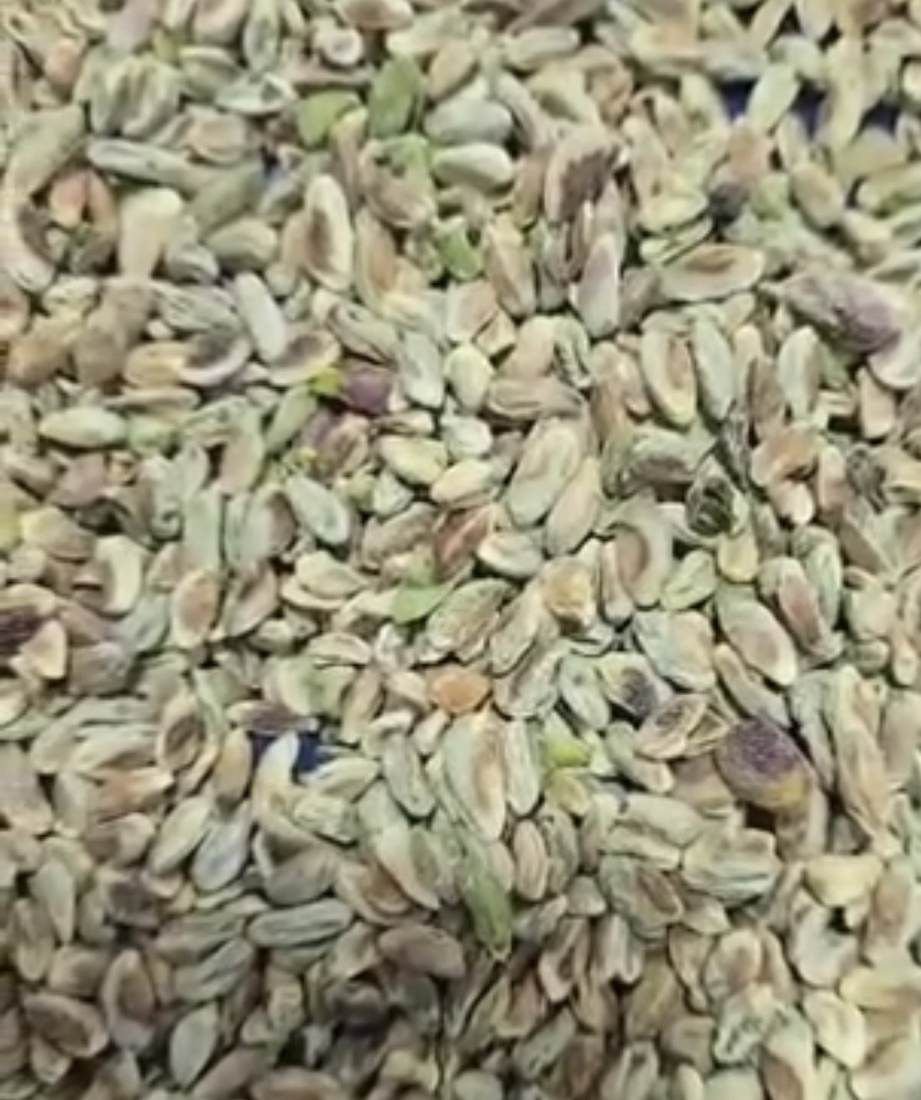
This is the mistake many producers make when chasing the trend: they focus on the chocolate and the kataifi and treat the pistachio as an afterthought. In this product, the pistachio is the hero ingredient, and cutting corners on it undermines the entire bar.
Which Pistachio Forms Suit Dubai Chocolate & Kunafa
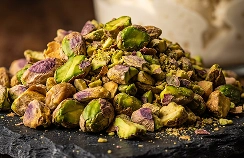
The filling is built on pistachio paste or ground pistachio blended with kataifi and often tahini. Ground pistachio and paste give a rich texture and clear flavor with full control over sweetness, while ready-made pistachio cream is smoother and faster to use but may contain added sugar and oils. Whole kernels are used when a producer grinds in-house.
| Form | Use in the product | Notes |
|---|---|---|
| Ground pistachio / paste | Core of the filling | Clear flavor, full recipe control |
| Pistachio cream | Smooth filling base | Convenient; may contain additives |
| Whole kernels | Ground in-house | Maximum freshness and control |
For a deeper breakdown of these forms and how paste, cream, and spread differ, see our guide to pistachio paste and cream. Whichever form you choose, the finished quality is still capped by the quality of the raw pistachio.
Sourcing Considerations for Chocolatiers & Manufacturers
When sourcing pistachios for this product, prioritize natural green color, freshness, consistent specification, and traceable origin. Because grinding hides a kernel’s defects, buying from a documented, direct supplier protects you from pale or aged raw material. A written specification per order keeps color and flavor consistent across production runs.
- Color: deep, natural green that carries into the filling — not dyed or dull.
- Freshness: aromatic, non-rancid pistachio; oils degrade over time.
- Consistency: the same color, size, and flavor in every shipment.
- Traceability: documented origin and specification, not “grade A” alone.
International grading systems help define these requirements in shared terms. The USDA pistachio grades and standards are a useful reference when agreeing raw material specifications with a supplier.
Volume & Consistency for Commercial Production
For commercial production, the priority is consistency at volume: the same filling color and flavor across thousands of bars, batch after batch. That consistency depends on a single, reliable source of raw pistachio with a fixed specification, plus freshness managed on order rather than long storage. Minimum order quantities are best agreed within a quote.
Because pistachio is the most expensive and most visible ingredient in the bar, its cost and availability directly shape your margin and your ability to scale. Locking in a dependable supplier early is what lets a producer meet demand without quality drifting between runs.
Origin: Syrian Halabi vs American
Origin shapes color, flavor, and supply. Syrian Halabi pistachios offer a deep green color and strong flavor that suit this product’s color-critical filling, while American pistachios offer uniform sizing and steady, large-scale availability. Many producers choose Halabi for premium lines and American for high-volume, cost-sensitive production — or blend the two.
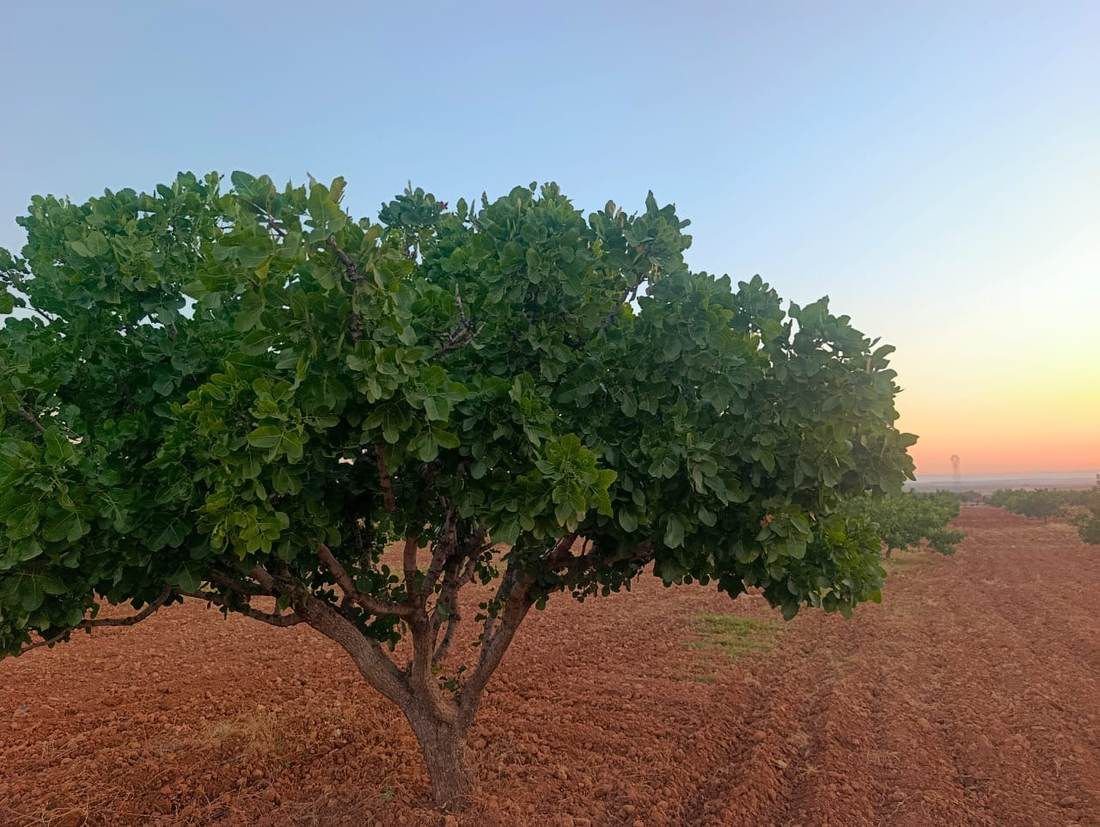
For the vivid green that defines the product, Syrian Halabi is hard to beat. For reliable volume and uniformity, American pistachios are a practical option. A supplier that offers both — and can also provide Syrian Halabi pistachios — lets you match origin to each product line instead of compromising on one.
Bulk Pistachio Supply for the Dubai Chocolate Trend
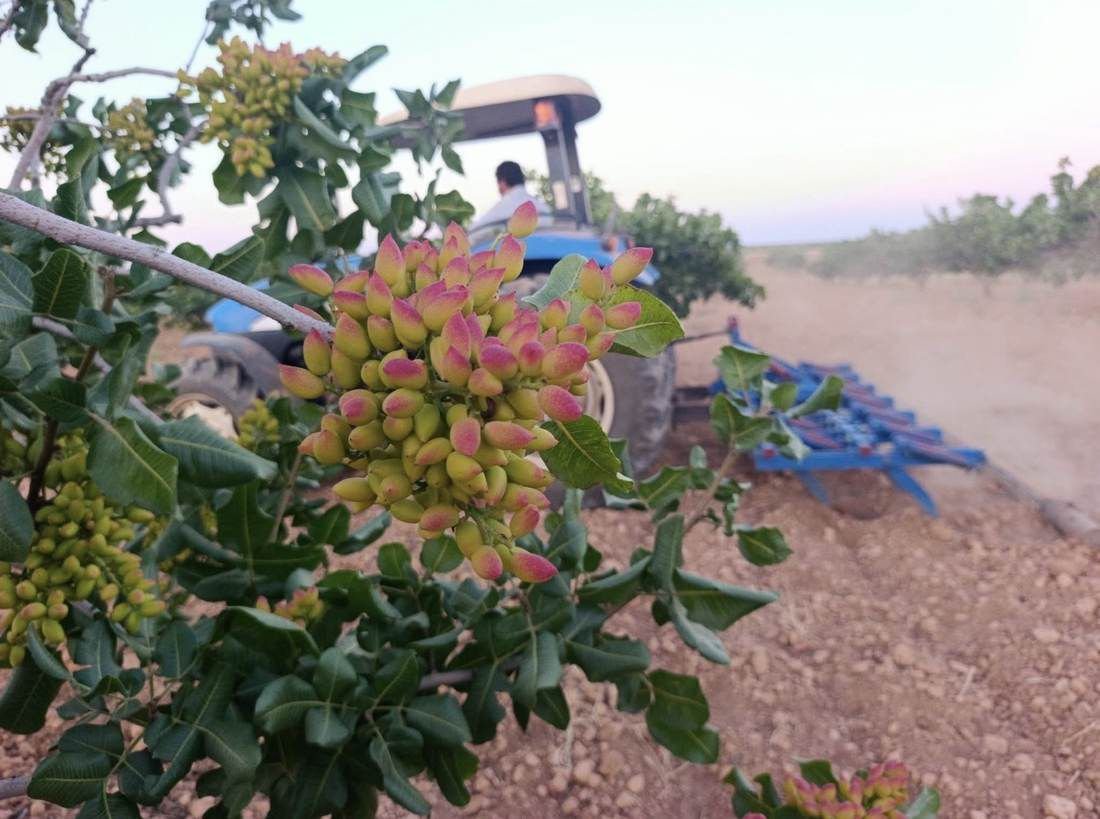
We supply the raw material behind the trend: high-quality pistachios that chocolatiers and dessert manufacturers turn into fillings, pastes, and creams. As a direct grower and exporter, we provide Syrian Halabi and American pistachios as whole kernels or ready-to-process ground pistachio, in bulk, with a specification tuned to your product — color, particle size, and freshness on shipment.
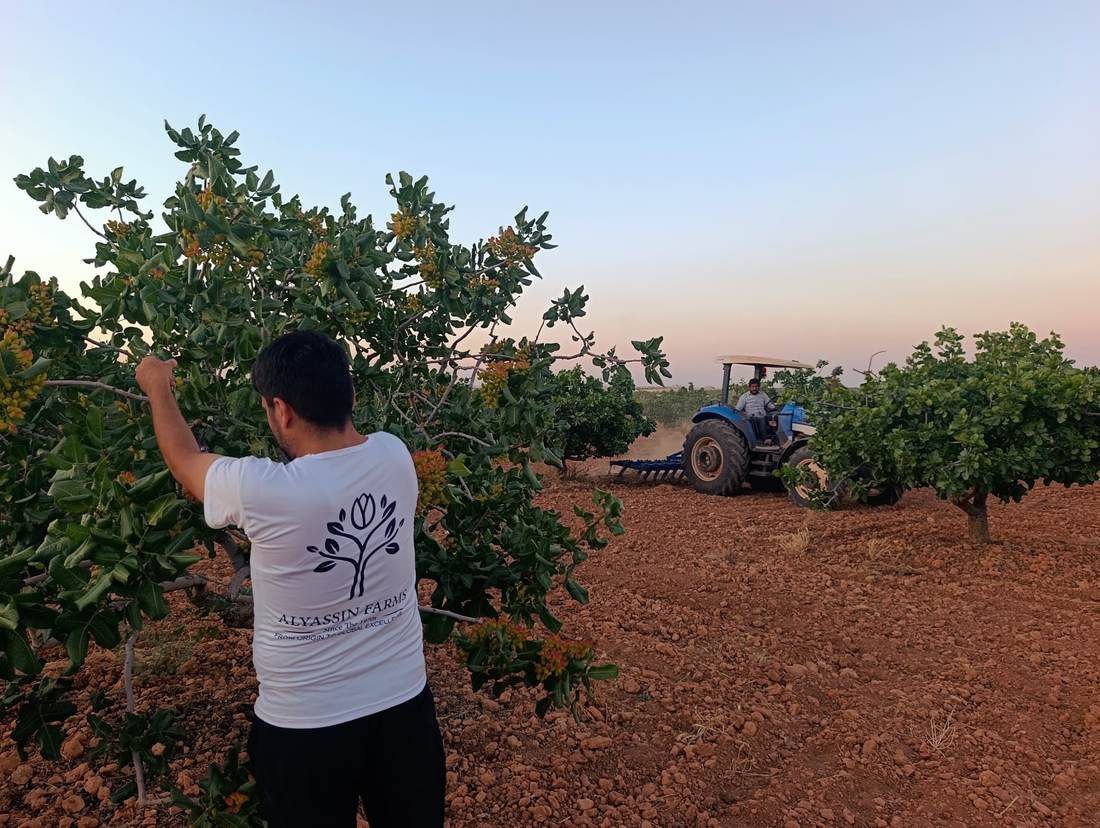
If you produce Dubai-style chocolate, kunafa desserts, or pistachio fillings and need fresh raw material with consistent color and traceable origin, our team can help you scale. Request a quote today for bulk pistachios, or contact us for a sample and to discuss the specification your production line requires.
Frequently Asked Questions
What is Dubai chocolate made of?
Dubai chocolate is a shell-molded chocolate bar filled with toasted kataifi (kunafa) pastry, pistachio paste or cream, and often tahini. It was created by Fix Dessert Chocolatier in Dubai in 2021 and went viral globally in 2024. Its appeal is the contrast of crunchy pastry, smooth pistachio, and a snapping chocolate shell.
What kind of pistachio is used in Dubai chocolate and kunafa?
A high-quality green pistachio is used, as paste or ground pistachio for the filling. Syrian Halabi pistachios are preferred for their deep green color and strong flavor, which show directly in the filling. Natural color and freshness matter more than any single origin.
Should manufacturers use pistachio paste or ground pistachio for Dubai chocolate?
Both work. Ground pistachio or paste gives a richer texture and clearer flavor with full control over sweetness, while ready-made pistachio cream is smoother and faster to blend but may contain added sugar and oils. The choice depends on your recipe and cost targets.
How much pistachio does Dubai chocolate production need?
Volume depends on production scale and how pistachio-forward the recipe is. Because pistachio is the most expensive and defining ingredient, most producers set a fixed ratio per batch and source raw material in bulk to control quality and cost. A reliable supplier and consistent specification matter more than any fixed figure.
Where can manufacturers source bulk pistachios for Dubai chocolate?
Source from a direct grower or exporter that supplies raw pistachios in bulk with documented specifications, consistent color, and freshness on order. We supply Syrian Halabi and American pistachios as kernels or ground for chocolate and kunafa producers; contact us for a quote or sample.