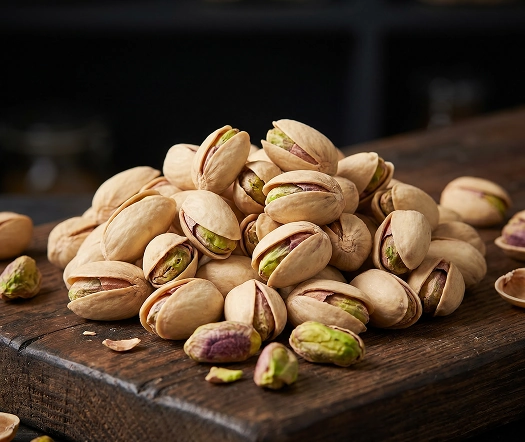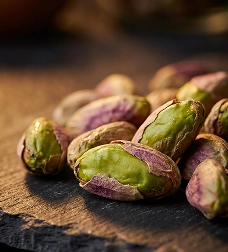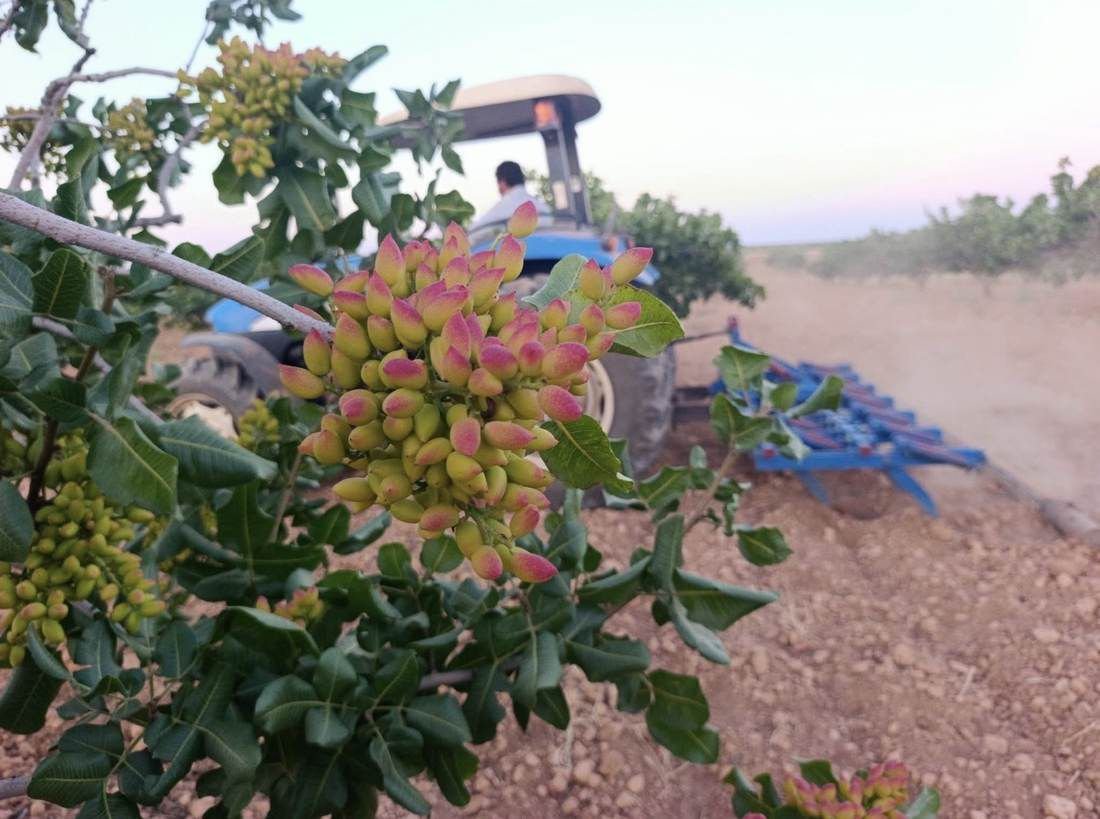
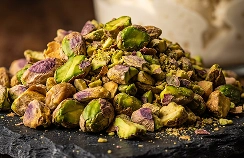
Pistachio cream has moved from a niche patisserie ingredient to one of the most in-demand products in confectionery, driven by the wave of pistachio-kunafa “Dubai chocolate,” filled bars, spreads, and dessert drinks. For food manufacturers, the appeal is obvious — but the challenge is the same one behind every pistachio product: sourcing raw material of consistent color, flavor, and price, shipment after shipment.
This guide explains pistachio cream from the perspective of a direct grower and exporter: what pistachio cream is, how it differs from paste and spread, the quality parameters that matter, and — most importantly — how to source the raw pistachios that go into it. We don’t sell the finished cream; we supply its foundation. For the paste-specific side of sourcing, see our detailed guide on bulk pistachio paste, and to see the forms we supply, view our pistachio products.
What Is Pistachio Cream?
Pistachio cream is a sweet, smooth, pourable product made from ground pistachio (paste) blended with sugar and oils or milk. Unlike pure paste, it is closer to a finished or semi-finished product used directly in fillings, spreads, drinks, and desserts. Its color and flavor still come almost entirely from the pistachio it is built on.
Manufacturers use pistachio cream across filled chocolate and the viral pistachio-kunafa bars, patisserie and bakery fillings, gelato swirls and dessert sauces, drinks, and retail spreads. Because the pistachio is the dominant flavor and color, the quality of the finished cream is set upstream — by the raw kernel and the paste ground from it.
Pistachio Cream vs Paste vs Spread: What’s the Difference?
The difference lies in additives and texture. Pistachio paste is pure ground pistachio, used as a raw ingredient. Pistachio cream adds sugar and oils or milk for a sweeter, pourable product. Pistachio spread is thicker and spreadable, usually with the highest additive ratio. Terms overlap across markets, so a written specification matters more than the label on the jar.
| Product | Typical composition | Texture | Primary use |
|---|---|---|---|
| Pistachio paste | Pure ground pistachio (± minimal sugar) | Thick, dense | Raw ingredient for manufacturing |
| Pistachio cream | Pistachio + sugar + oils or milk | Smooth, pourable | Fillings, drinks, desserts |
| Pistachio spread | Pistachio + higher additive ratio | Spreadable | Retail spread, bakery |
The common denominator is that all three are built on ground pistachio. Whatever the recipe, the raw nut remains the primary driver of color, flavor, and cost. For the deepest dive into sourcing the base paste itself, see our guide to bulk pistachio paste.
Quality Parameters for Pistachio Cream
Pistachio cream quality rests on the pistachio ratio, natural green color, smooth texture, minimal artificial additives, and freshness. A higher real-pistachio ratio with fewer fillers means a richer, more premium cream, while a pale color or flat flavor points to low-grade or aged raw material. Each parameter traces back to the incoming kernel.
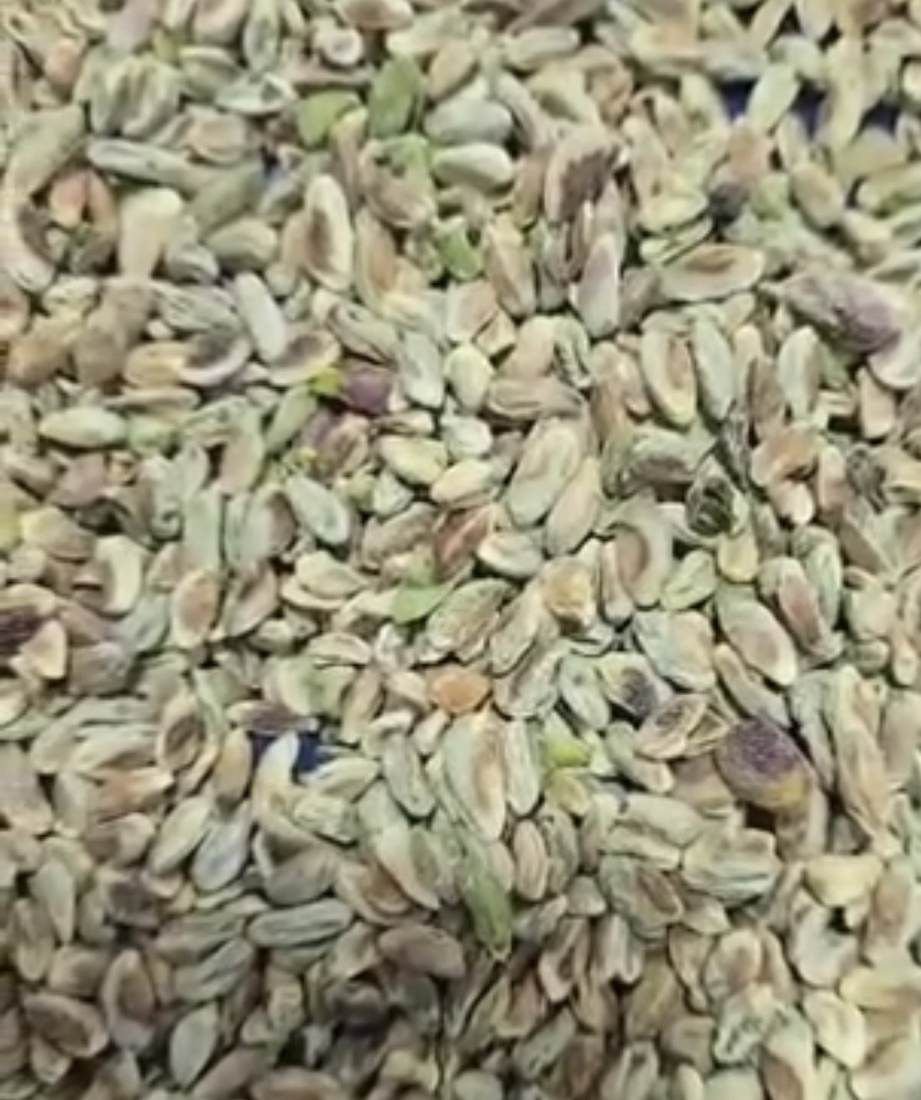
- Pistachio ratio: a quality cream leans on real pistachio, not vegetable oils and sugar added to cut cost.
- Color: a natural green; a pale or dull tone points to low-grade or aged raw material, or over-dilution.
- Texture: smooth and pourable, without graininess or oil separation.
- Additives: the fewer artificial colors and flavors, the cleaner and closer to natural.
- Freshness: pistachio oils turn rancid over time, so freshness protects both flavor and color.
Sourcing the Raw Pistachios Behind Your Cream
Whether you make cream from scratch or from ready paste, the quality ceiling is set by the raw pistachio. Manufacturers usually source whole kernels — ground on demand for maximum freshness and control — or pre-ground pistachio, which saves a step. The origin, grade, and form you choose decide the color and flavor of the final cream.
Whole kernels let you control roast, particle size, and freshness but need grinding capacity; pre-ground is faster but has a shorter shelf life. The specifications to lock per order are grade, size (caliber), form, color grade, moisture, and packaging — documented in writing rather than a vague “grade A.” The full breakdown of choosing pistachios by grade and form is covered in our guide to bulk pistachio paste and our pistachio forms guide.
Origin: Syrian Halabi vs American for Pistachio Cream
Origin shapes the cream’s color, flavor, and cost. Syrian Halabi pistachios give a deep green color and strong flavor prized for cream that must look and taste distinctly of pistachio — ideal for the premium, color-led products driving today’s demand. American pistachios give larger, uniform sizing and steady year-round supply at scale. Many manufacturers choose by product or blend the two.
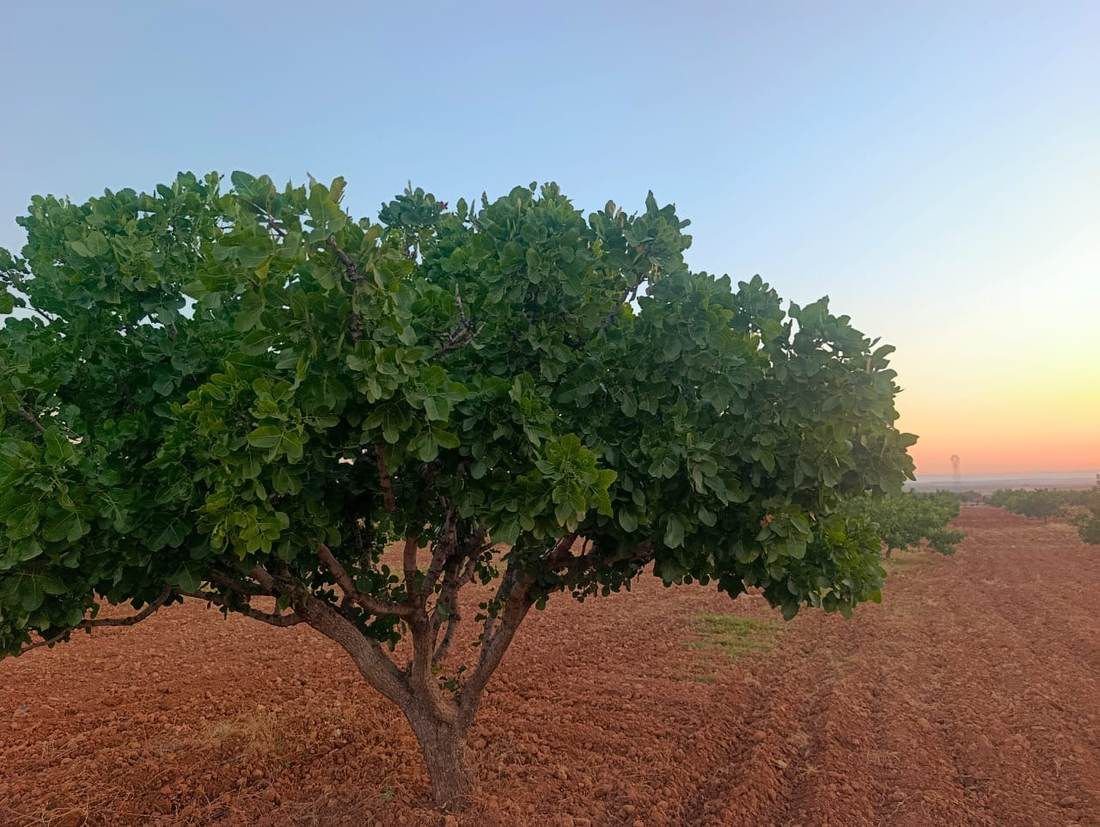
For color-critical cream, Syrian Halabi pistachios are hard to beat, giving that vivid green without artificial coloring. For high-volume, cost-sensitive lines that need uniformity and reliable availability, American pistachios are a practical choice. A supplier that offers both can help you match origin to each product rather than forcing one option on every line.
Where Pistachio Cream Is Used
Pistachio cream sits inside some of the fastest-growing products in confectionery: the pistachio-kunafa “Dubai chocolate” wave, filled chocolate bars and pralines, patisserie and bakery fillings, gelato swirls and dessert sauces, dessert drinks, and retail spreads. Each application places different demands on the cream’s color intensity, sweetness, and pourability — all of which trace back to the raw pistachio and the recipe built on it.
The common thread is that the cream is seen and tasted directly, so color and flavor carry the product. That is why manufacturers chasing the premium end of this trend start with a deep-green, full-flavored pistachio rather than trying to correct a weak one with dyes and flavorings later.
Bulk Supply, MOQ & Packaging for Manufacturers
Minimum order quantities vary by form, destination, and packaging, and are best agreed within a quote rather than fixed in advance. For bulk and export, raw pistachios ship in food-grade sealed packaging — often vacuum-packed for ground forms — in sturdy cartons with clear specification labeling to protect color and freshness in transit.
A practical approach is to start with a volume that covers a short production cycle against an approved sample, then scale once quality and lead time are confirmed. Because pistachio is one of the most expensive ingredients in any recipe, stable specifications, pricing, and freshness directly affect your margin. For how volume lowers cost, see our guide to bulk pistachio buying.
Your Raw Pistachio Supplier for Cream & Paste
We don’t sell the finished product — we supply its foundation: high-quality raw pistachios that pistachio cream, paste, and spread are made from. As a direct grower and exporter, we provide Syrian Halabi and American pistachios as whole kernels or ready-to-process ground pistachio, with a technical specification tuned to your product: particle size, color, and freshness on shipment.
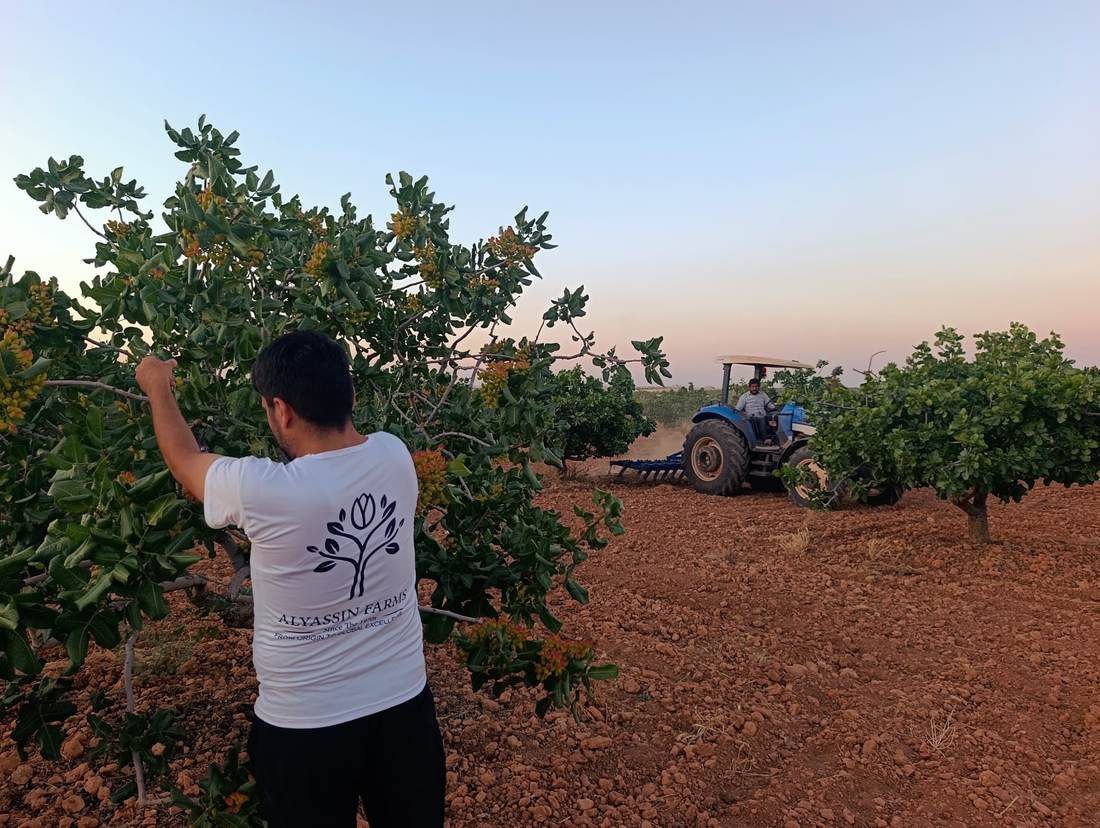
If you manufacture pistachio cream, paste, or spread and need fresh raw material with consistent quality and traceable origin, our team is ready to help. Request a quote today for bulk raw pistachios, or contact us for a sample and to discuss the specifications your production line needs.
Frequently Asked Questions
What is pistachio cream made of?
Pistachio cream is made from ground pistachio (pistachio paste) blended with sugar and oils or milk to create a sweet, smooth, pourable product. Higher-quality creams use a higher ratio of real pistachio and fewer fillers, so their color and flavor depend directly on the quality of the raw kernels.
What is the difference between pistachio cream and pistachio paste?
Pistachio paste is pure ground pistachio used as a raw ingredient, with a thick, concentrated texture. Pistachio cream adds sugar, oils, or milk for a sweeter, smoother, pourable product used in fillings, spreads, drinks, and desserts. The main difference is additives and texture.
Which pistachios are best for pistachio cream?
For premium, color-led cream, Syrian Halabi pistachios stand out for their deep green color and rich flavor. For large-scale, cost-sensitive production, American pistachios offer uniformity and steady supply. Many manufacturers blend the two, and freshness and grade remain decisive for color and flavor.
Do you supply finished pistachio cream?
No. We supply the raw material that pistachio cream is built on: Syrian Halabi and American pistachios as kernels or ground, in bulk with documented specifications and freshness on order. This lets manufacturers control the quality of their own cream and paste. Contact us for a quote or sample.
How do you keep pistachio cream green?
Green color comes from a high-quality, well-stored pistachio, not from dyes. Start with a high grade and deep-green kernel, avoid over-roasting that darkens the color, and keep both the raw pistachios and the finished cream away from heat and light.